



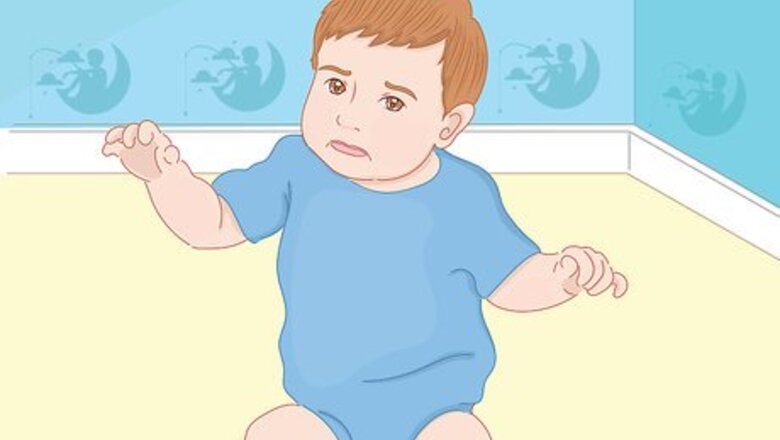

Trying Elimination Communication
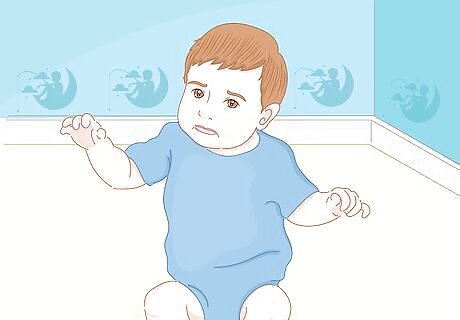
Spend time watching your baby's toileting habits. Since very young babies can't talk or sign to tell you they need to toilet, you'll have to watch and record what they do right before they toilet or once they've filled a diaper. These cues can include: Wriggling or squirming Facial grimaces or pouting Grunting or breathing changes Toileting at certain times such as after a nap or feeding
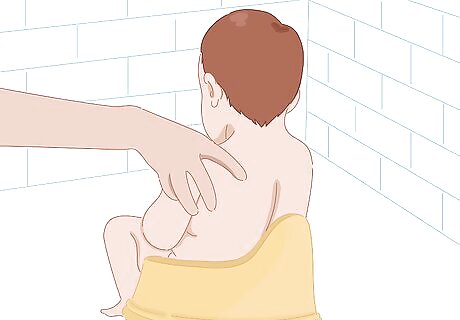
Take your baby to a child's toilet or potty seat. As soon as you're ready to try elimination communication without diapers, have a child's toilet, potty seat, or small bucket nearby. When you notice your baby make one of their toileting cues, put the baby on the toilet or seat while you hold them securely. If you're using a small bucket, you'll need to simply hold the baby over it. For a newborn or small baby, you could hold them over a small bowl.
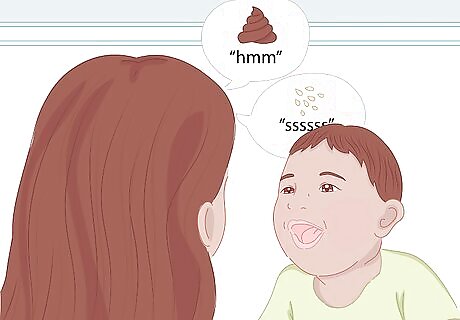
Make a sound that your baby will associate with toileting. While your baby is toileting you should make a sound such as "sssssssss" if they're urinating or "hmm" if they're defecating. Your baby will get used to hearing these signals when they toilet.

Teach your baby the sign for bathroom. Be in the habit of doing the sign-language sign for bathroom every time you take the baby to the toilet. Even though a very small baby won't be able to sign back, they'll make the association between the sign and the toilet. Then they'll be able to do the sign when they're older and want to tell you they need to toilet. To make the sign for bathroom, make a fist so your palm faces away from you. Place your thumb in between your index and middle fingers and shake your fist from side to side.
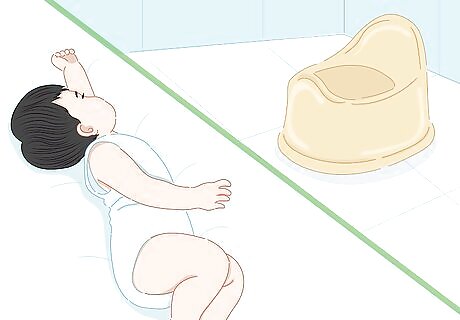
Be consistent with elimination communication. Commit to working with your baby on toileting and always make the sounds or signals when your baby is on the potty. Once you've been doing elimination communication, you can even begin to predict when your baby is likely to need a toilet break. For example, you may find that the baby usually eliminates after their nap. If you get your baby up from a nap, try putting them right on the potty so they feel ready to toilet.
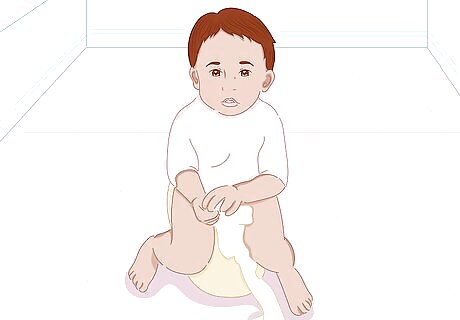
Stay calm if your baby has an accident. At some point, your baby may urinate or defecate before you have a chance to get them to the bathroom. When this happens, clean up the mess and move on. Just try to catch them the next time and stay positive. Never punish your baby for toileting outside of the bathroom, potty, or child's toilet. If you find yourself yelling or speaking harshly to your baby, elimination training is not for you.
Setting Realistic Expectations
Consider the benefits of elimination communication. Not relying on diapers is one of the most popular reasons for working on toileting. Some people believe that your baby will be more comfortable since the baby won't feel dirty or wet diapers against their skin. Although research needs to be done, people argue that elimination communication can strengthen the bond between babies and caregivers.
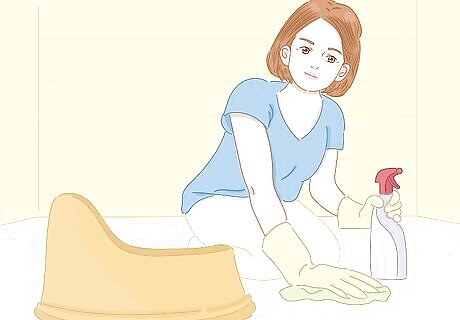
Recognize the challenges of elimination communication. Be prepared to clean up messes while you're learning your baby's toileting cues. You'll also need to spend a considerable amount of time watching your baby. Communication elimination is more effective if you stick with it and don't put your baby in diapers. If your baby is in daycare, you'll probably be required to diaper your baby when you send them. Daycare facilities aren't equipped to do communication elimination.
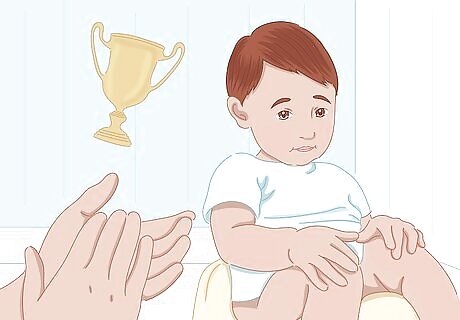
Set achievable goals. Keep in mind that potty training an infant won't be the same as potty training a toddler since they're developmentally different. Communication elimination will train you to recognize when your baby is about ready to toilet. Keep your expectations flexible and realistic so you don't get frustrated with the process. For example, instead of having your baby completely trained and accident free by 6 months, set yourself smaller goals such as going several days in a row without a mess or getting your baby to sign that they need to toilet.
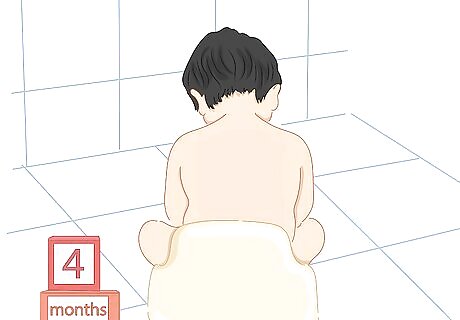
Work with the baby as early as you can. Proponents of communication elimination argue that it's more effective if you begin before your baby has gotten used to wearing diapers. Many believe you should start before your child is 4 months old. Keep in mind that while you can observe and help a child eliminate, they won't be able to sign to you until they're a few months old.








Comments
0 comment